
Why Dogs Test Yard Boundaries in the Fall (and How to Reinforce Training)

Fall in Middle Tennessee is a favorite season for dogs. The scorching summer heat gives way to crisp, cool air, making backyard playtime far more energetic. However, many homeowners notice an unexpected shift in autumn: dogs that were perfectly content all summer suddenly begin lingering near the yard edges, pacing the perimeter, or ignoring calls to come inside.
If your dog seems eager to push their usual limits during October and November, they aren't being stubborn, they are reacting to a dramatic surge in environmental triggers.
The Autumn Sensory Overload: Squirrels, Deer, and Crisp Air
Autumn transforms your backyard into an intense sensory playground. Three main factors trigger your dog's natural instincts during this time of year:
- Hyperactive Wildlife (The Cache Craze): As winter approaches, squirrels, chipmunks, and birds enter a state called "spatial hoarding." They are in constant, frantic motion across ground lines and fence tops, storing nuts and seeds. This fast, erratic movement acts as a direct visual trigger for your dog's prey drive.
- Deer Rutting Season: Fall marks the peak of deer activity across Middle Tennessee. Deer travel much further and leave powerful scent trails along yard edges and wooded boundaries. Even if you don't physically see deer, your dog detects their presence immediately.
- Heavy Air and Scent Retention: Cold air is denser than warm air, and autumn dampness helps hold scent molecules close to the ground rather than dissipating them into the sky. Every fallen leaf, stray animal path, and rustling bush carries a much stronger scent signature than it did in July.
Why Fall Distractions Require Superior Hidden Fence Tech
When a high-drive distraction like a fleeing squirrel appears, a dog acts on instinct within milliseconds. Standard underground fences can sometimes experience signal delays or outside radio frequency interference, giving a motivated dog enough leeway to cross the line before feeling the signal.
DogWatch Hidden Fence systems are specifically engineered to handle high-distraction environments:
- Patented FM SafeLink® Signal: Unlike older AM systems that can suffer from outside radio interference, our digital FM signal remains clear and consistent, ensuring your dog gets a reliable boundary warning every single time.
- FastReact® Technology: DogWatch receivers offer the fastest reaction time in the industry (less than 1/8th of a second). It alerts your dog before their momentum carries them past the boundary line.
- Customizable Receiver Settings: Every dog’s drive is different. DogWatch receiver collars allow precise adjustment of correction levels to match your dog's specific temperament during high-distraction seasons.
3 Steps to Reinforce Boundary Training This Autumn
Even with the best technology in place, training maintenance is essential when environmental triggers increase. You can help your dog maintain focus using these three steps:
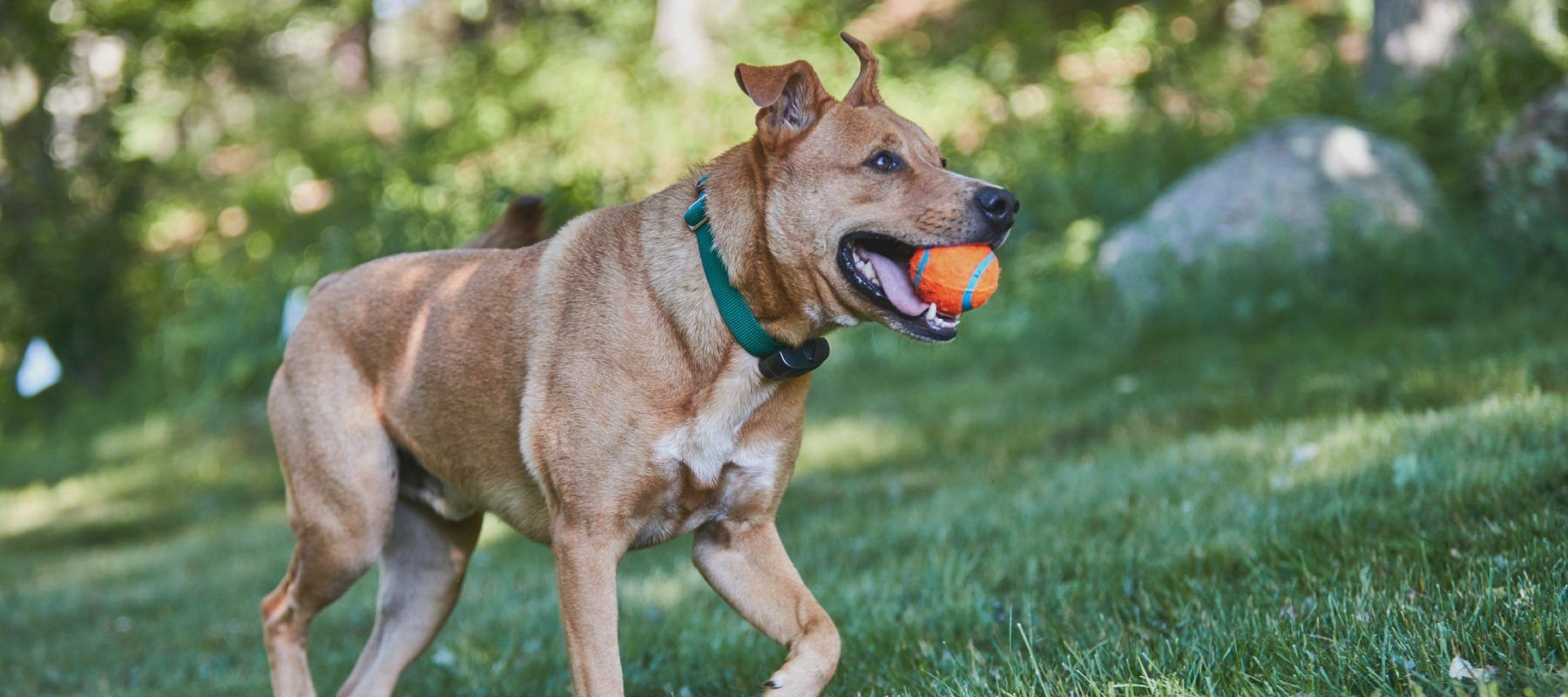
- Check Collar Fit (The Fall Coat Adjustment): As dogs grow thicker autumn coats, contact posts can lose direct connection with the skin. Check the collar weekly to ensure it sits snugly high on the neck—you should be able to slide two fingers comfortably beneath the strap, but no more.
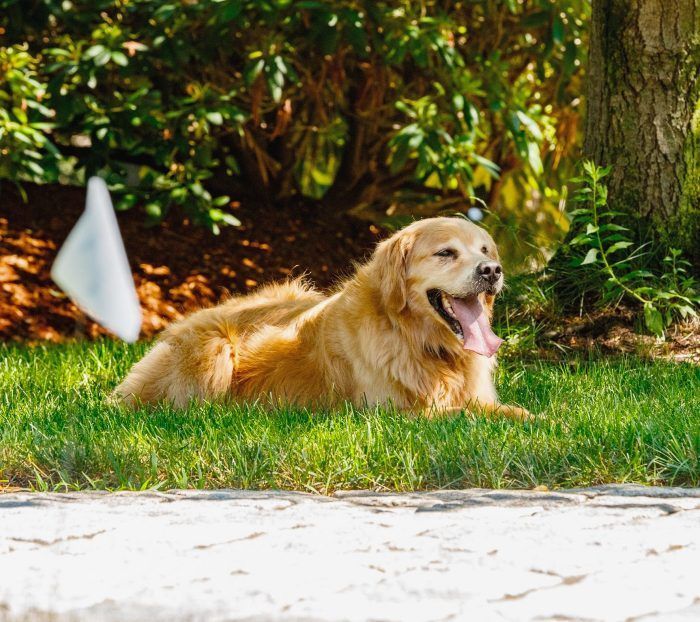
- Reintroduce Visual Flags Temporarily: If wildlife travels heavily along one specific edge of your property, place 3–5 visual boundary flags in that section. This gives your dog a fresh visual reminder of where their safe zone ends.
- Up the Reward Value for Recall: If your dog comes when called while a squirrel is nearby, reward them with high-value treats (such as hot dog slices, freeze-dried meat, or cheese) rather than standard kibble. Proving that returning to you pays off better than chasing wildlife builds lasting reliability.
Fall is the ideal time for aeration, dethatching, overseeding, and heavy leaf raking. Before hiring a landscaping crew or running an aerator across your lawn, remember that aerator tines penetrate 2 to 3 inches into the soil which can easily sever hidden fence wire.
- Mark your boundary wire: Place temporary flags along your wire path before any core aeration work begins.
- Inform your landscapers: Let your lawn care team know you have a hidden fence so they can lift aerator tines near the perimeter.
A 5-Minute "Distraction Proofing" Routine
To actively train your dog to ignore fall wildlife at the boundary, practice this quick exercise twice a week:
- Put your dog on a 15-to-20-foot long leash and walk into the yard.
- Allow your dog to wander toward the boundary line where scents or squirrels are active.
- Just before they reach the warning zone, call their name in an upbeat, happy voice.
- As soon as they turn back toward you, step backward rapidly to encourage momentum, and offer a high-value treat immediately upon arrival.
- Repeat 3–5 times per session to reinforce that staying inside the yard is rewarding.
Keep Your Yard Safe All Season Long with DogWatch of Nashville
Enjoying the crisp autumn air with your dog should be stress-free. With a quick check of your fence settings, proper collar fit, and a few refresher rewards, your dog can safely enjoy the backyard all season long.
Need a system tune-up, wire repair from lawn aeration, or a battery replacement?
Whether you need assistance adjusting your current DogWatch system or are interested in installing a new hidden fence, our team is ready to assist.
Contact DogWatch of Nashville today to schedule a consultation or system service!